Roasting Process
Roast to Order, Small Batch, Freshly Roasted: What Coffee Label Terms Really Mean

Roast to order means the coffee is roasted after you place your order, then packed and shipped, instead of being roasted ahead of time and pulled from a shelf or a warehouse. It is one of several phrases you will see on coffee bags, and they do not all promise the same thing. Some describe a real process. Some are mostly mood. Here is how I read each one, as someone who roasts coffee in Miami and reads a lot of bags.
Roast to order
This is the most specific of the common terms. With roast to order, the clock starts when you buy. The roaster waits for orders, roasts what was ordered, rests it briefly if needed, and ships it. That usually means the coffee reaches you within days of roasting rather than weeks or months.
What it does not tell you is how long shipping takes or how the roaster batches orders. Some roast every day, some roast on set days each week. Both count as roast to order. If you want the longer version of why I care about this, I wrote it up in why roast to order beats coffee that sits on a shelf, and the step by step of how we do it lives on our how roast to order works page.
Small batch
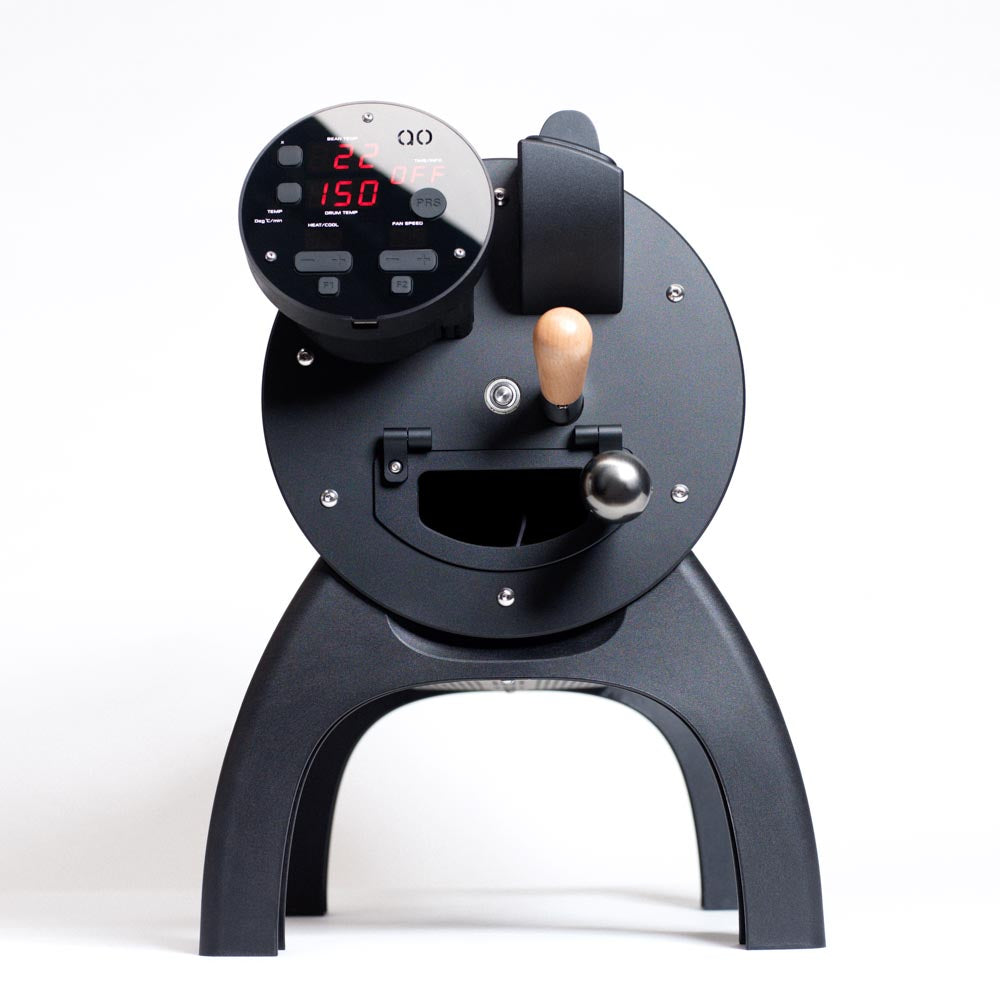
Small batch describes the size of each roast, not its timing. There is no official number behind it. One roaster's small batch might be a few pounds, another's might be well over a hundred. In general, smaller batches give the roaster more control and more chances to adjust each roast to the coffee in the drum.
Small batch and roast to order often go together, but they are not the same thing. A coffee can be roasted in small batches and still sit on a shelf for months.
Freshly roasted
This one is the softest. There is no rule for how fresh freshly roasted has to be. On its own, it tells you the roaster thinks freshness matters, which is good, but it does not tell you when your bag was roasted. Treat it as a hint and look for the date.
Roast date
This is the most useful line on the bag. A roast date tells you exactly when the coffee came out of the roaster, so you can judge freshness yourself instead of trusting a phrase. For most light and medium light roasts, I find whole bean coffee tastes its best from a few days after roasting through roughly the first month. I wrote a fuller week by week freshness timeline if you want the details.
Best by and expiration dates
A best by date is usually set many months after roasting, sometimes a year or more. The coffee is safe to drink until then, but it will not taste the way the roaster intended for most of that window. If a bag shows only a best by date, you cannot tell how old the coffee already is. I went deeper on this in best before, expiration and roast date, which is better.

Artisan and craft roasted
These words describe a style more than a process. They suggest care and attention, and plenty of artisan roasters live up to that. But neither word has a standard definition, so they do not tell you anything about timing, batch size or freshness.
How to check what a label claims
When I pick up a bag from anyone, these are the questions I ask:
- Is there a roast date printed on the bag? If yes, that answers most of the freshness question on its own.
- If the bag says roast to order, how many days pass between ordering and roasting? A good roaster will tell you plainly.
- Is it whole bean? Whole bean holds its flavor far longer than ground coffee, so the roast date matters even more once it is ground.
- Does the roaster say where the coffee was grown? Specific origins, farms or regions usually come from roasters who care about the details everywhere else too.
The short version
Roast to order is about timing. Small batch is about size. Freshly roasted is a promise without a number. The roast date is the number. If you only look at one thing on a coffee bag, look for the roast date, and the rest of the label will make a lot more sense.